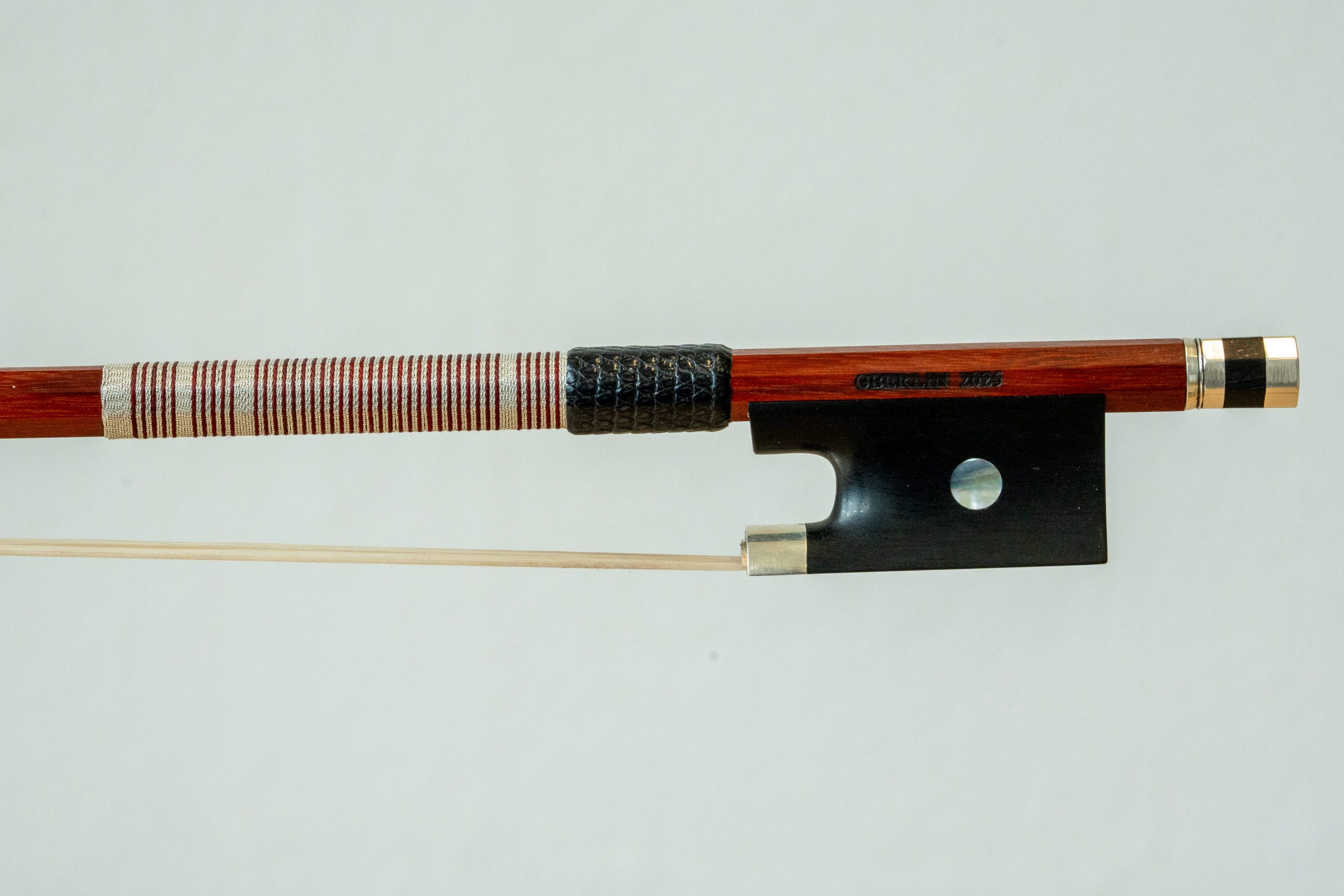
Pernambuco: The Heartwood of Masterful Bow Making
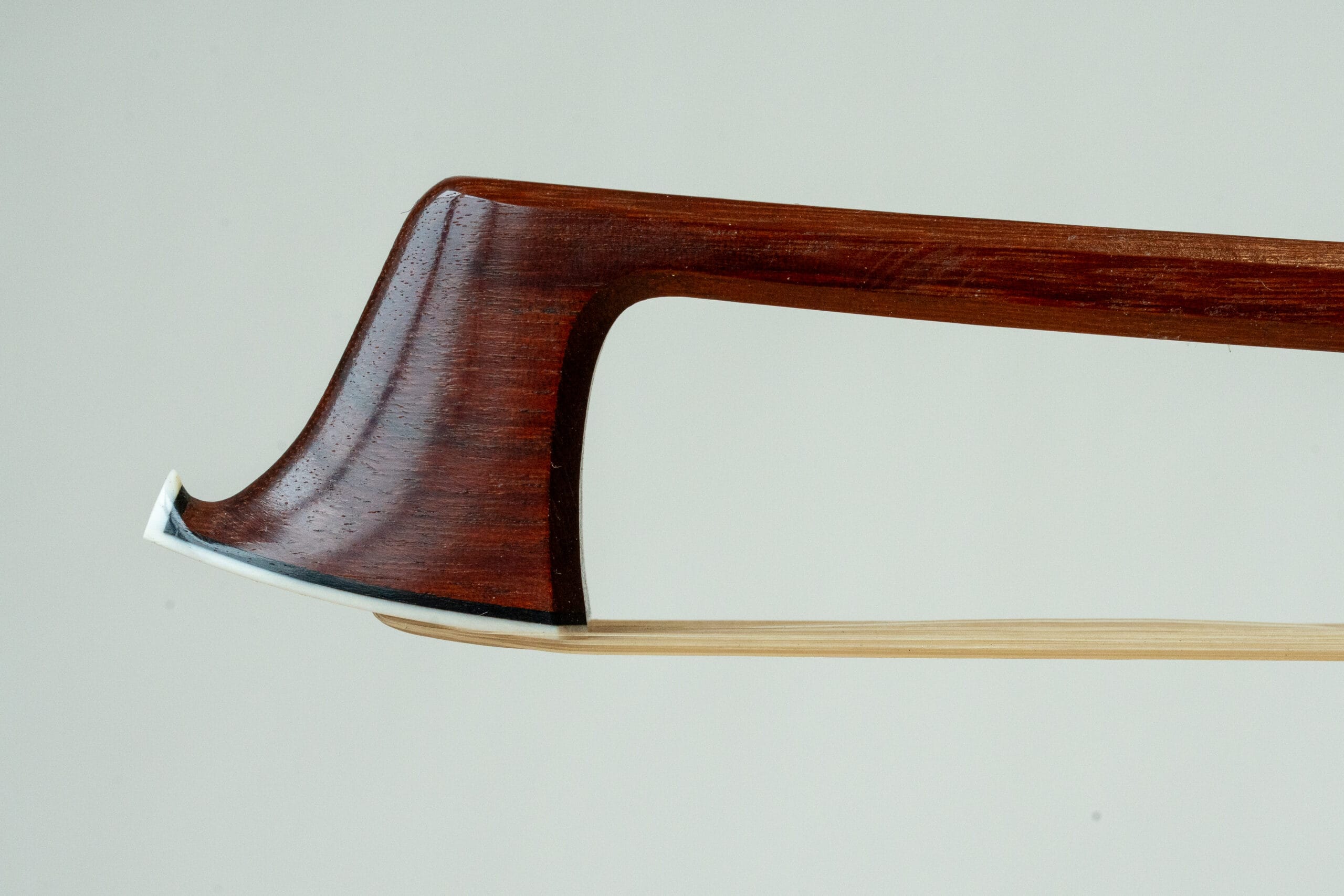
When it comes to crafting bows for string instruments—whether violin, viola, cello, or bass—no wood holds the same revered status as Pernambuco (Caesalpinia echinata). For centuries, this dense, richly colored hardwood has been the gold standard for bow makers (archetiers), and its legacy continues today. But Pernambuco’s story is not just about excellence—it’s also about scarcity, conservation, and the global effort to preserve this irreplaceable natural resource.
Why Pernambuco?
Native to Brazil’s endangered Atlantic Forest, Pernambuco is prized for its rare combination of characteristics that make it the perfect bow wood:
- Elasticity and Strength: Ideal for the spring-like action necessary in high-performance bows.
- Density: Supports the precise balance and weight that professional players demand.
- Acoustic Excellence: Enhances tonal warmth, clarity, and control.
- Workability: Allows master bow makers to craft highly refined shapes and finishes.
For professional musicians, a fine Pernambuco bow is more than a tool—it’s a partner in expression.
A Legacy Rooted in Craft and Culture
Pernambuco has been central to bow making since the 18th century, when French archetier François Tourte revolutionized bow design using this wood. Its strength, resonance, and reliability made it the material of choice for the world’s best bows—and it still is.
However, Pernambuco’s legacy predates music. It was originally harvested for its vibrant red dye and was so valuable that it gave Brazil its name (“Terra do Pau-Brasil”). Unfortunately, centuries of overuse and deforestation have devastated its wild populations.
Scarcity and Protection
Pernambuco is now critically endangered due to habitat destruction and unsustainable harvesting. As a result:
- It is listed under CITES Appendix II, which regulates international trade to ensure that exports and imports do not threaten the species’ survival.
- Bow makers must obtain legal documentation to ship or sell Pernambuco wood and bows across borders.
- Wild harvesting is now strictly controlled, and enforcement is increasing.
Despite these protections, wild Pernambuco trees are still threatened, and efforts to replenish the species are urgent.
Conservation in Action: The Role of the IPCI
In response to the crisis, the global bow making community founded the International Pernambuco Conservation Initiative (IPCI) in 2000. This non-profit is a coalition of bow makers, musicians, and conservationists dedicated to ensuring the future of Pernambuco through sustainable practices.
Key achievements of IPCI include:
- Reforestation: Over 250,000 Pernambuco seedlings have been planted in Brazil through collaboration with Brazilian forestry experts and local communities.
- Research: The IPCI supports studies on optimal growing conditions, biodiversity impact, and genetic preservation of the species.
- Education and Outreach: The initiative educates bow makers, musicians, and the public on the importance of using legally and sustainably sourced Pernambuco.
- Seed Banks and Tree Nurseries: By maintaining and distributing seedlings and seeds, IPCI ensures long-term propagation of genetically diverse Pernambuco trees.
This effort is not only ecological—it’s deeply cultural. The people who craft Pernambuco bows are the same ones fighting to save the tree that makes their art possible.
Bow Makers as Stewards of the Forest
Ethical bow makers around the world now take active responsibility for the preservation of Pernambuco. Many are IPCI members who:
- Donate a portion of their sales to reforestation efforts.
- Use sustainably sourced or reclaimed wood only.
- Document the origin of their materials to ensure full transparency and legal compliance.
- Support local forestry programs in Brazil that combine conservation with economic support for rural communities.
This partnership between artisans and conservationists demonstrates how traditional crafts can coexist with environmental responsibility.
The Future of Pernambuco
The future of Pernambuco depends on awareness, cooperation, and continued investment in conservation. Musicians, makers, and collectors can support this future by:
- Choosing bows made from verified, legal Pernambuco wood.
- Supporting IPCI and similar conservation initiatives.
- Advocating for responsible trade and sustainable practices within the music industry.
In Conclusion
Pernambuco is more than a beautiful hardwood—it’s a cultural and ecological legacy. Thanks to the efforts of the IPCI and dedicated bow makers worldwide, there is hope that future generations of musicians will still experience the unmatched qualities of a Pernambuco bow.
Preserving this rare tree means preserving the soul of string music—and that’s something worth playing for.